Montessori Mondays: The Beauty of Simplicity
When we think of simplicity, we often think of minimalism or empty rooms.
Yet there is something refreshing about simplicity. In a world that constantly pressures us to add more, simplicity asks us to pause and consider what is truly necessary.
And in Montessori, simplicity goes much deeper than aesthetics. Simplicity is intentional.
Simplicity is Intentional
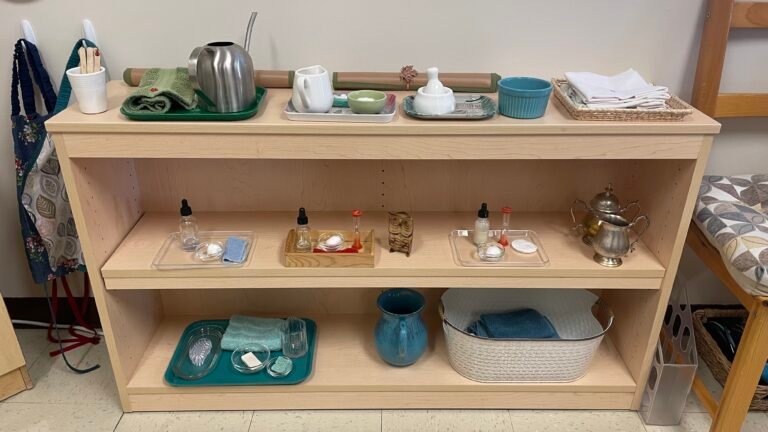
The materials we offer, the way we arrange the shelves, and the choices we provide all serve a deeper purpose. The environment is prepared intentionally with materials that are purposeful, attractive, and inviting. Rather than overwhelming the child with too much, we offer what is needed to support concentration, independence, and meaningful work.
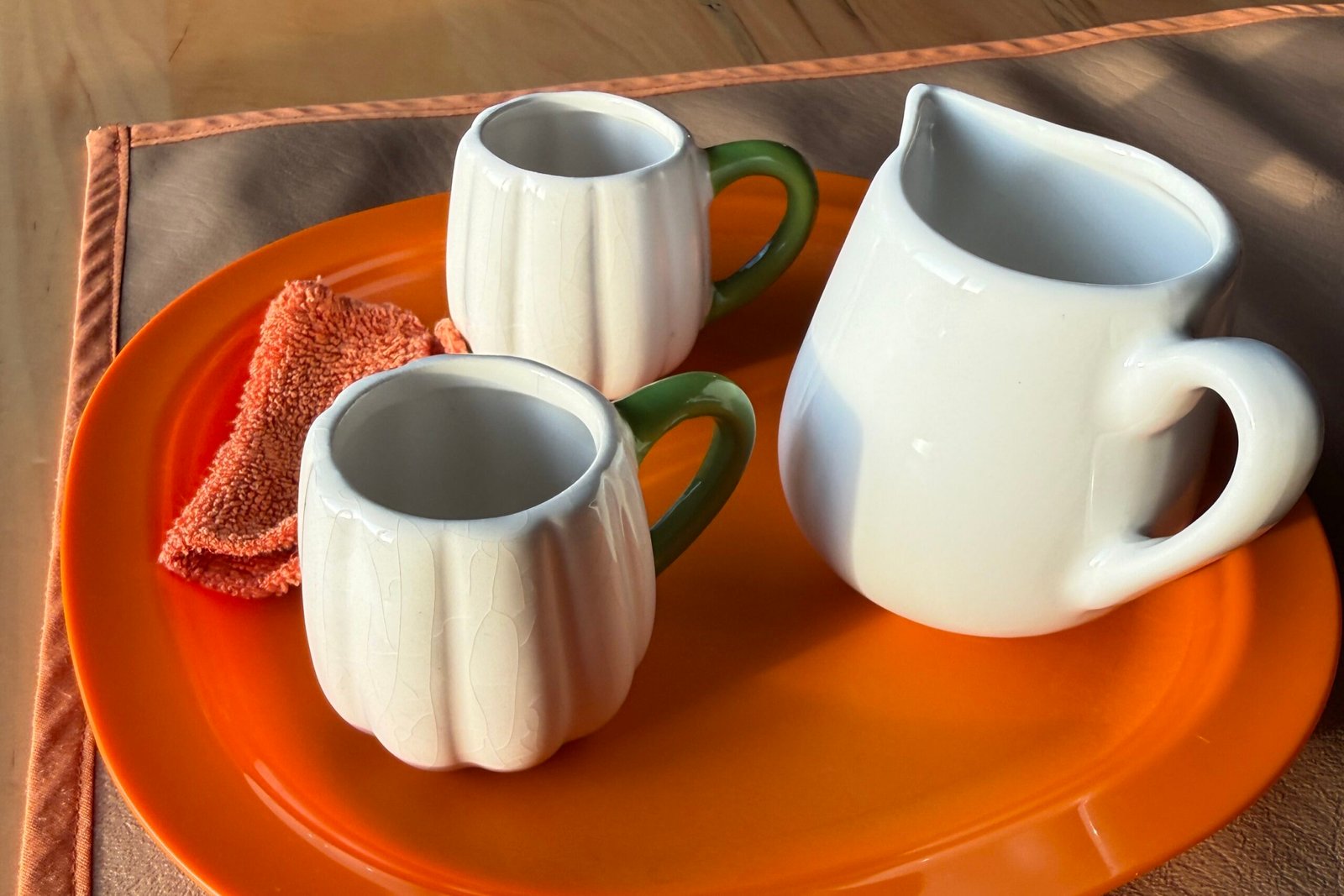
Consider a Preliminary Activity: Pouring Water. A small tray holds a pitcher, glasses, and a cloth for cleaning spills. An oil cloth is placed on the table to designate the child’s space. Everything the child needs is available. Every item serves a purpose.
The presentation is simple, but it offers the child a rich opportunity to refine movement, develop concentration, and cultivate deep coordination. Nothing needs to be added to the tray. The beauty is in the purposeful arrangement and the work itself.
The materials we offer, the way we arrange the shelves, and the choices we provide all serve a deeper purpose. Simplicity is not about removing things for the sake of having less. It is about thoughtfully choosing what we offer the child.
“A child’s needs are simple, and a happy childhood needs only simple surroundings.”
— Dr. Maria montessori
Simplicity Supports the Child
The materials are simple and attractive, drawing the child in without distractions.
Each material has a purpose.
Materials isolate a specific concept, helping the child to focus.
When we prepared a Montessori environment, we consider not only what to include, but also what to leave out. An overcrowded shelf can make it challenging for a child to make choices. Too much of anything can quickly become overwhelming.
Intentional preparation invites exploration and purposeful work. In the classroom, this might look like.
- A tray equipped with everything needed for one single activity.
- Materials arranged neatly on a shelf, with each item having a designated place.
- A carefully selected collection of books, displayed so the covers are visible.
- A limited selection of art materials that the child can access and use independently.
When we remove unnecessary distractions, we help the child see what is available and focus on the work before them. Simplicity allows the purpose of the material to shine.
Simplicity at Home
Simplicity is not just a principle for the Montessori environment. It is something we can carry into our homes and everyday lives. When I’m teaching full-time, simplicity and routine have saved me.
What might change if we spent less time managing our belongings, making decisions, and keeping up with unnecessary tasks? What if our homes and routines were designed to support our lives?
Simplicity at home doesn’t have to mean minimalism. It is about considering what we bring into our spaces, how we use our time, and the routines that shape our days. At home, simplicity can help us spend less time managing details and more time being present to the people and things that matter.
Bringing this rhythm to life might look like:
- Repeating meals your family already enjoys and that are easy to prepare.
- Keeping a few reliable breakfasts and lunches in regular rotation.
- Choosing versatile items that gracefully serve more than one purpose.
- Simplifying a routine that has begun to feel complicated.
- Leaving blank space in your calendar.
- Taking time to appreciate what you already own.
Preparing for Life
Simplicity is not about having less for the sake of less. It’s about making thoughtful choices that support the life we want to live.
Our homes will never be entirely free of work. There will always be meals to prepare, laundry to fold, dishes to wash, and things that need our attention. Nor do we need to eliminate every possession or activity that doesn’t serve a strictly practical purpose.
Simplicity doesn’t mean stripping away everything beautiful or meaningful. It means recognizing what serves us well, letting go of what doesn’t, and making space for what matters most. Beauty, creativity, hospitality, and enjoyment have a vital place in a meaningful life.
Instead of striving for an impossible standard, we can ask ourselves a few simple questions:
- Does this add true value to our home or our lives?
- Is there a simpler way to accomplish this task?
- What am I making unnecessarily complicated?
- Am I leaving room for the things that matter most?
Start Small
We can begin with just one small change.
We might simplify a single meal plan,
We might establish a more manageable bedtime routine.
We might decide that we have enough of something already.
We don’t have to simplify everything all at once.
The prepared environment reminds us that thoughtful choices matter. What we offer, how we arrange it, and what we leave out all influence the experience of the child. We can carry that same intentionality into our homes, creating spaces and routines that support rather than overwhelm us.
Sometimes, making room for what matters begins with choosing what we no longer need to carry.
As you move through your week, consider one small way you could simplify your home or daily routine. What could you make easier? What could you let go of? Where might a little simplicity bring greater peace?
What is one thing you could simplify this week?